Calf Augmentation in Nairobi

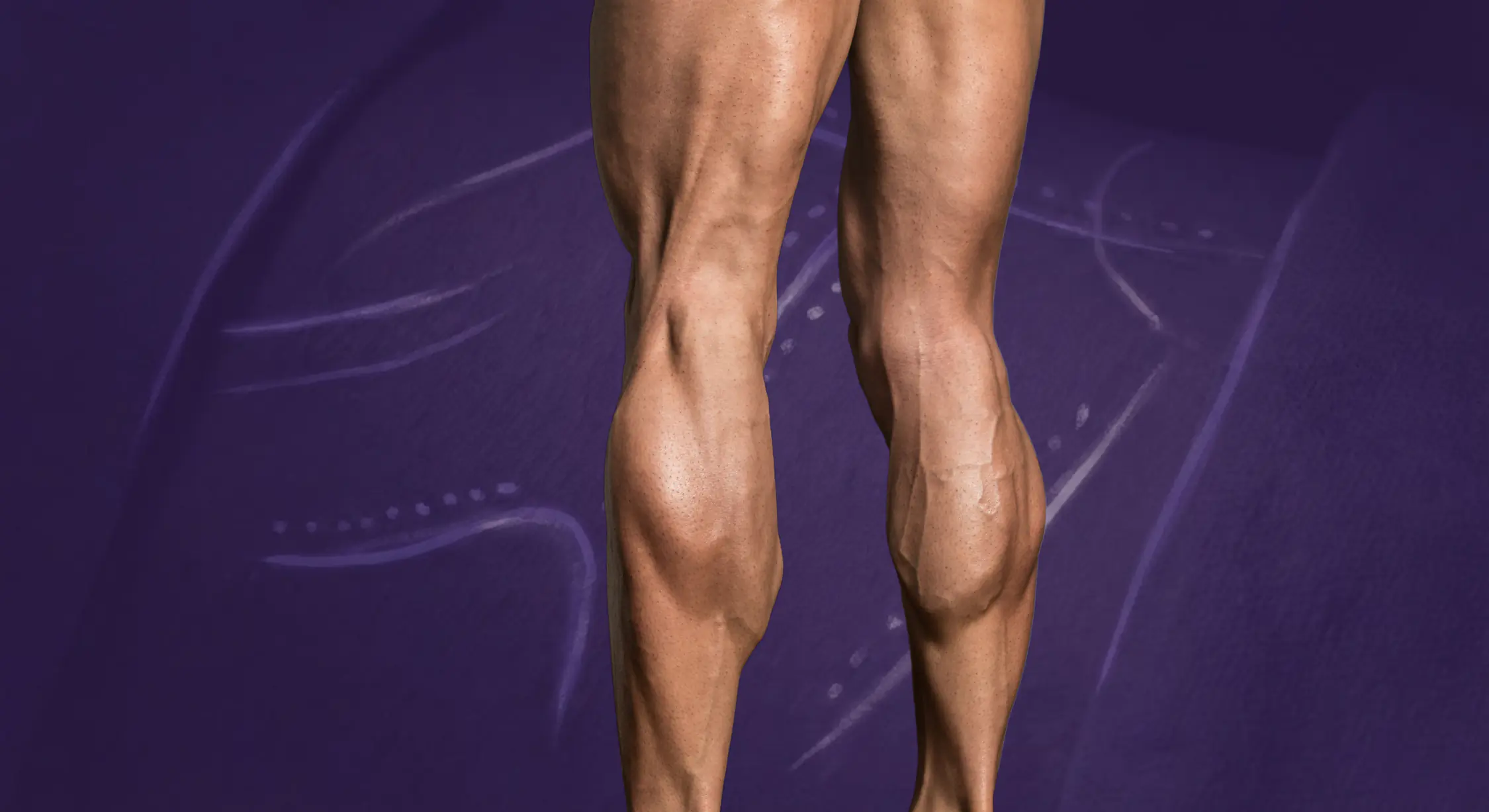
Calf augmentation is a surgical approach that improves calf size, shape, and symmetry when training alone cannot correct the anatomy. Patients seek calf augmentation for a range of reasons, from genetically underdeveloped calves (calf hypoplasia) to visible asymmetry after injury, polio-related discrepancy, or sport-specific imbalance in athletes and bodybuilders.
At Avané Plastic Surgery, calf augmentation is planned as a proportional, athletic contour procedure. The goal is not an exaggerated “bodybuilder” look. The goal is a calf that matches the thigh and ankle taper, looks natural in motion, and sits well in fitted clothing and sportswear.
A procedure that enhances calf contour using silicone calf implants or fat grafting, sometimes paired with ankle liposculpture for taper.
Patients with calf hypoplasia, post-trauma atrophy, post-polio discrepancy, bodybuilding asymmetry, or individuals seeking gender-affirming lower-leg contouring.
Implants are planned for a measured gain, often described in the source as 2 to 4 cm of girth gain, depending on anatomy and sizing strategy.
Walking can feel tight and restricted at first. Recovery is usually staged: crutches may be needed early, many patients return to desk-based work at around two weeks, cardio is often reintroduced at about one month, and heavier leg training is resumed later only once healing and implant stability are confirmed by your surgeon.
Patients typically come to Avané for calf augmentation when one of these patterns is present:
A common misconception is that “more liposuction” will fix a leg shape issue. We explicitly note that aggressive leg liposuction can deflate muscle appearance and that volume restoration may be required instead.
Calf implants offer the most predictable shape and immediate size improvement, especially for genetically small calves or a stable asymmetry pattern.
Fat grafting uses your own fat, but results vary based on survival and your body’s healing response. The source describes fat grafting volumes of 100 to 300 cc per side, with an estimated 50% survival.
In selected patients, implants handle structure while grafting refines contour edges. Your consultation determines whether a single method or staged plan is safer.
Your source outlines an implant-first approach using dual-plane silicone implants and a measured gain target. Planning includes:
It also includes practical aftercare elements like daily antiseptic washes, compression checks, and progressive weight bearing, plus red flags such as prolonged redness, fever, or a palpable shift in implant position.
Tightness and a hobbling gait can be expected early. The source uses crutches and no weight bearing initially, then gradual progression alongside compression and swelling control measures.
Stitch review typically happens early, swelling starts to reduce, and most patients transition out of the initial assisted-walking phase as comfort and control improve.
Return to normal shoes and desk work in many patients, with light stretching as cleared.
Cardio usually resumes gradually with your surgeon’s guidance, while swelling continues to settle and the calf contour becomes more defined over the following weeks.
Return to squats is typically delayed until healing is stable, then sport is cleared once the implants have settled and the surrounding tissue support has matured, with progressive milestones used to confirm long-term stability over time.
Complications are uncommon in well-selected patients, but they must be discussed clearly as part of informed consent. Potential risks include:
If you have stubborn small calves or visible calf asymmetry that doesn’t improve with consistent training, weight stability, and time, you’re likely a good candidate. A consult confirms tissue thickness and realistic sizing.
Implants give the most predictable shape and size. Fat grafting is subtler and less predictable because some fat reabsorbs.
Usually a small incision hidden in the crease behind the knee.
Light cardio first, then progressive training. Heavy leg days, squats, and calf raises are typically delayed until you’re cleared, often around 8 to 12 weeks.
Yes. Planning focuses on conservative sizing, scar-care protocols suited for melanin-rich skin, and proportions that look natural on African body frames.
At Avané Plastic Surgery, we prioritise:
📍 Avané Gigiri – Call/WhatsApp: +254 702 300 200