Lipo AI in Nairobi
Intelligent High-Definition
Body Sculpting

Intelligent High-Definition
Body Sculpting
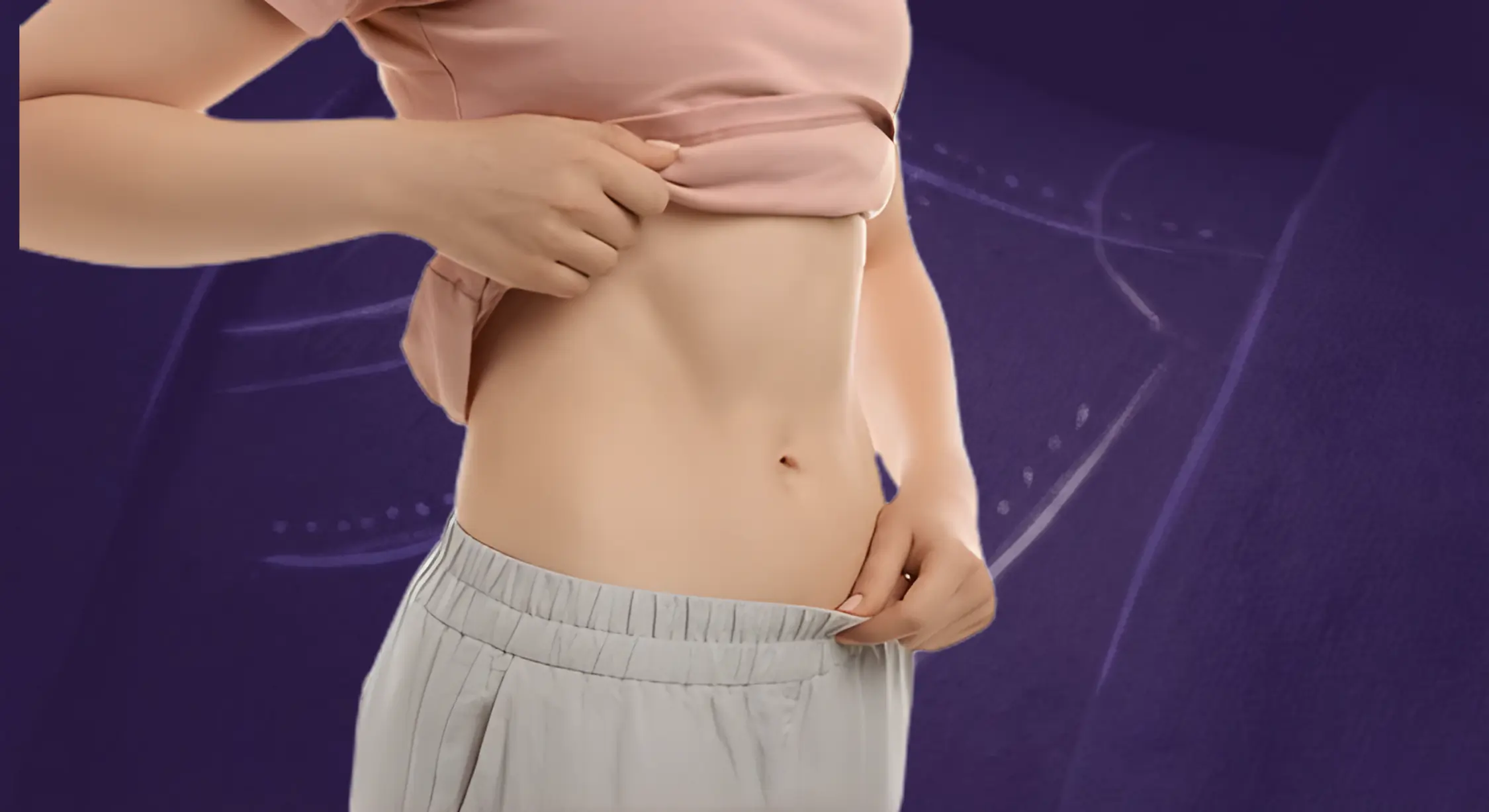
Body contouring has evolved beyond simple mechanics. Lipo AI is DEKA’s latest innovation for the laser lipolysis and laser-assisted liposuction market. Building on the global success of the SmartLipo gold standard, Lipo AI integrates predictive control algorithms based on artificial intelligence to optimize every second of the procedure.
At Avané Plastic Surgery, we utilize this sophisticated system to offer a procedure that is not only effective but also meticulously monitored for safety. The system uses a 1444 nm wavelength, which is highly absorbed by fat, supporting efficient fat disruption while minimizing damage to surrounding tissues.
Compare this with our traditional Liposuction Services.
Lipo AI is a medical laser system that delivers energy through a special optical fiber inserted into the body via a narrow stainless-steel cannula. The process works on three levels:
The device emits high-peak power laser energy combined with Gradient Pulse Technology. This breaks the membranes of the adipocytes (fat cells), facilitating the discharge of their content and liquefying the fat for easier removal.
Unlike other lasers, Lipo AI operates at the 1444 nm wavelength. This frequency has high selectivity characteristics and is highly absorbed by fat. Because it is also absorbed by water, it helps minimize carbonization (burning) risk and supports protection of surrounding tissue.
The photomechanical action is assisted by low-pressure aspiration through a special microcannula. The fat is removed immediately with reduced trauma. This can be particularly helpful for removing larger volumes in patients who want faster results, subject to safe volume planning.
What separates Lipo AI from standard laser lipo is the “AI” component. The handpiece is equipped with exclusive artificial intelligence algorithms that constantly communicate with the surgeon.
A high-precision accelerometer mounted on the handpiece adjusts emitted energy based on the operator’s speed and movement. If the surgeon stops moving, the laser stops firing to reduce burn risk.
The system features a double aiming beam designed to guide delivery:
A sensor detects sub-dermal temperature in the treatment area. If the temperature reaches the pre-set limit, laser delivery is automatically interrupted until the area cools, enhancing procedural safety.
| Feature | Lipo AI (Laser-Assisted) | Traditional Liposuction |
|---|---|---|
| Speed | 30% faster. The photo-acoustic effect of the short pulse can reduce operation time significantly. | Standard. Relies more heavily on mechanical effort. |
| Safety | AI monitored. Accelerometers and thermal sensors reduce overheating and burn risk. | Manual. Safety depends more on surgeon technique and intra-procedural judgment. |
| Fat Targeting | 1444 nm wavelength. Supports selective fat absorption for precise lysis. | Non-specific. Mechanical removal of tissue within the cannula’s path. |
| Tissue Trauma | Minimized. Fat is disrupted and removed with reduced trauma. | Moderate. Mechanical trauma is typically higher. |
| Skin Quality | Enhanced. Thermal effect may stimulate tissue tightening in selected areas. | Variable. Relies more on natural skin elasticity. |
Schedule your Lipo AI consultation in Nairobi today.
Step into the future of body contouring. Let our experts use the power of artificial intelligence to sculpt your body with precision and safety.
The PDF includes Avané's general aftercare instructions together with the Lipo AI recovery guide, practical healing timelines, and red flags that should prompt you to contact the clinic.
Yes. Safety is central to this technology. The device uses a safety clip blockage to help prevent fiber slippage during use. The AI-based accelerometer supports precise laser delivery only when the handpiece is in motion, and the thermal guide helps prevent overheating.
Lipo AI is an evolution following the success of SmartLipo. It introduces predictive AI algorithms and optimized technical characteristics designed to improve control and safety.
Risk is significantly minimized. The 1444 nm wavelength is absorbed by water, which helps reduce carbonization risk. The thermal guide sensor measures internal temperature and prevents the laser from exceeding the planned safety limit.
Thanks to short pulse duration and the photo-acoustic effect, procedures can be approximately 30% faster compared to traditional laser lipolysis, depending on area and complexity.
Call us directly:
Gigiri: +254 702 300 200