Thigh Lift in Nairobi

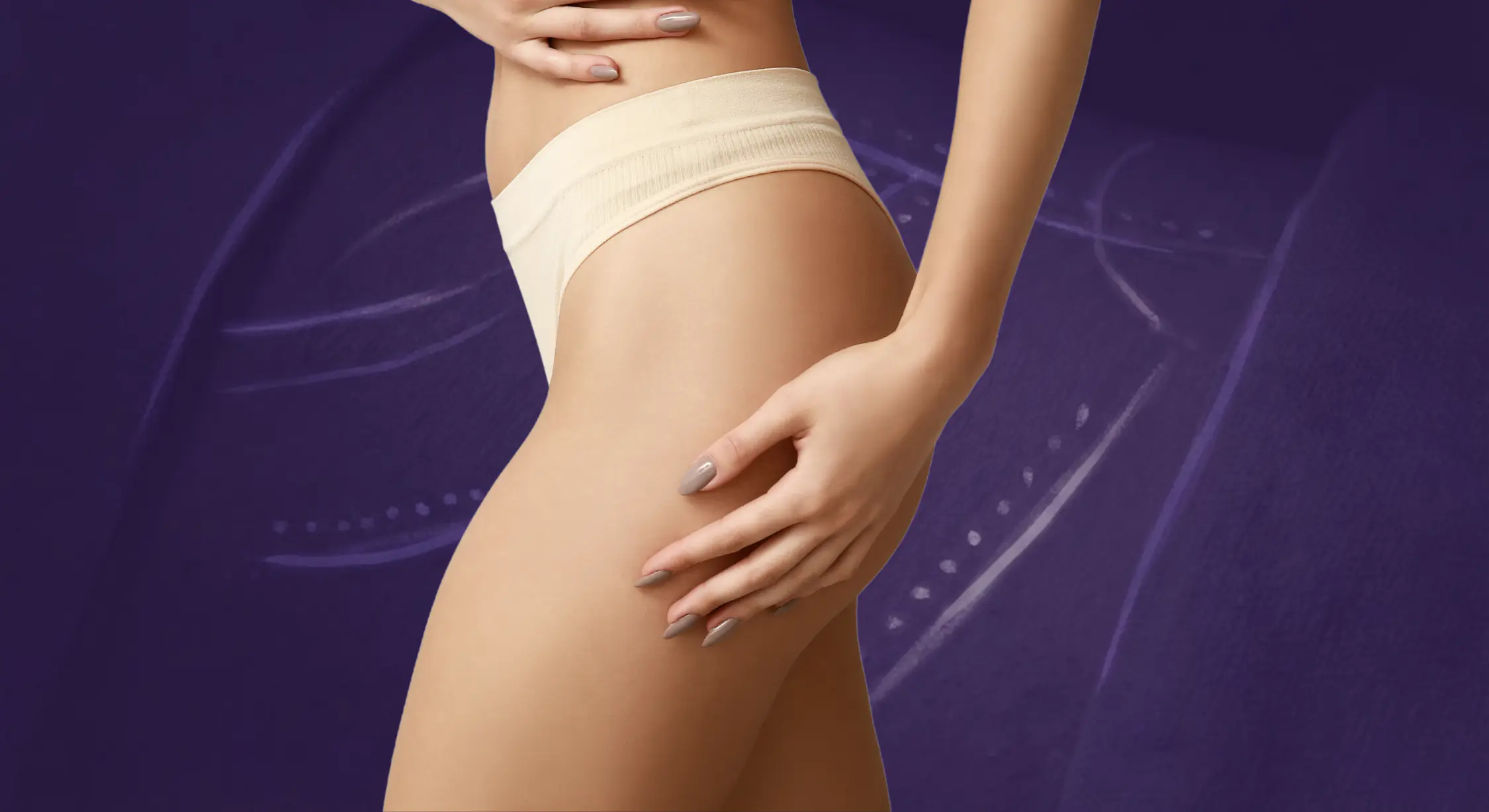
Loose thigh skin can be more than a cosmetic concern. It can cause chafing, recurrent rashes, hygiene challenges, and the constant feeling that clothes never sit quite right. A thigh lift, also called thighplasty, removes excess skin and reshapes the thigh contour so the legs look and feel lighter, cleaner, and more proportional.
At Avané Plastic Surgery, we plan thigh lift surgery around two priorities: functional comfort and aesthetic harmony. That means designing incision placement for your clothing lifestyle, respecting your skin type and scar risk, and choosing the correct technique based on where the laxity lives (inner thigh, outer thigh, or circumferential after major weight loss).
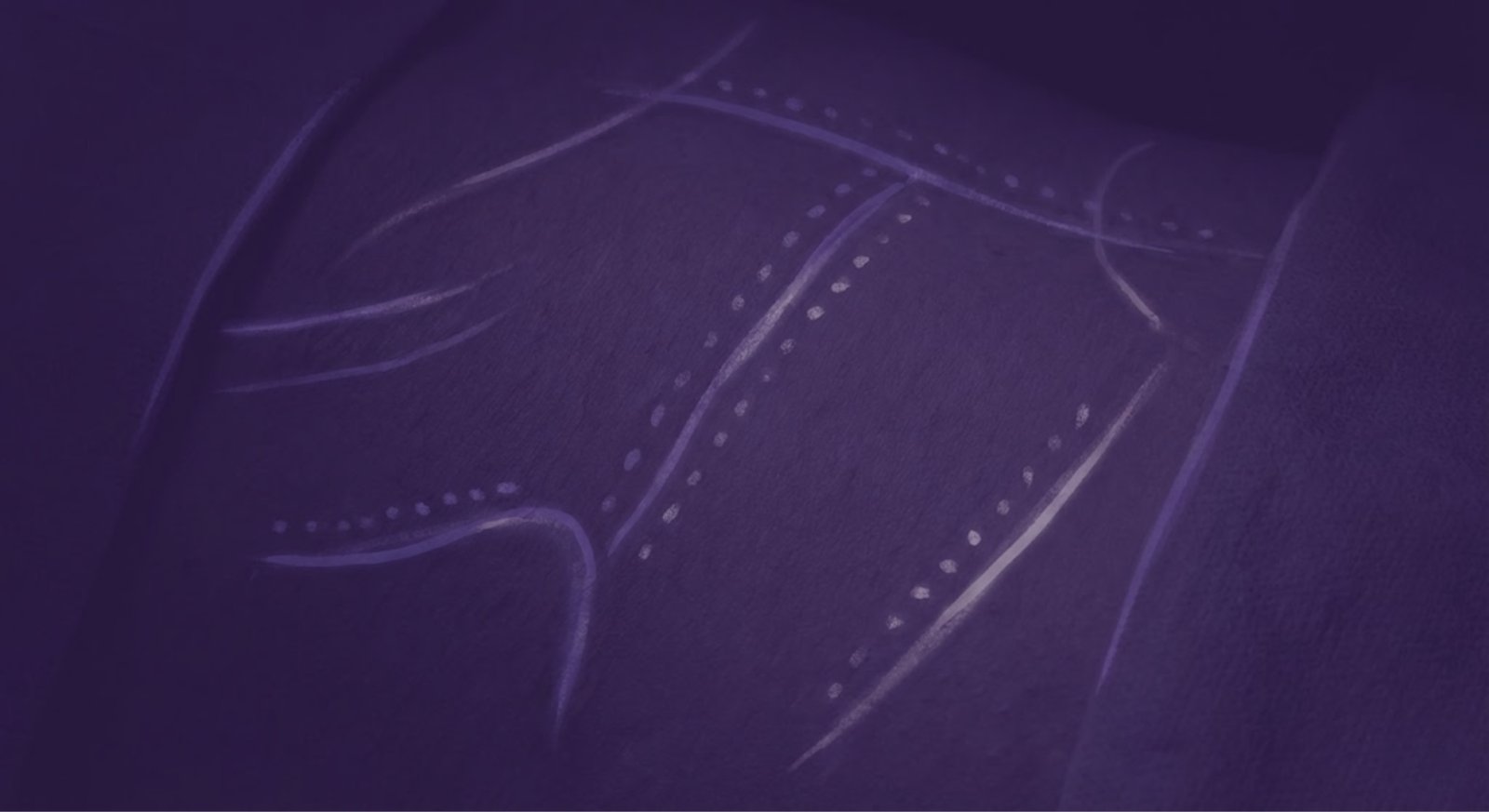
Surgical removal of excess thigh skin (and sometimes residual fat) with tightening and redraping for a smoother contour.
People after significant weight loss, aging-related laxity, or persistent inner thigh rubbing and folds.
Not the same. Liposuction removes fat, a thigh lift removes skin. Many patients need both for the best result.
Learn more about liposuction In Nairobi
Most return to desk work in about 2 weeks, with full activity typically later, depending on the technique and healing.
Yes, but placed to be hidden where possible, then managed with a scar protocol over months.
A thigh lift is designed for skin laxity, not “a bit of fat.” Many patients are surprised to learn that the soft, hanging feeling is often skin that has lost elastic recoil after weight change, aging, or hormonal shifts.
Common concerns we treat include:
Patients usually come in for one of these reasons:
Skin folds can cause friction rashes, maceration, and discomfort in movement, especially with Nairobi heat, commuting, and active routines.
A thigh lift helps fitted trousers, dresses, gym shorts, and swimwear sit smoothly, without the bunching or visible skin roll outline.
After major weight loss, the body may look “deflated” in the thighs. Thighplasty can be the final step that aligns your reflection with the work you already did.
There is no single thigh lift. The right option depends on where the excess skin sits and how far it extends.
Best for laxity along the inner thigh, often with chafing. Incisions are usually designed to sit high in the groin crease, extended only when necessary.
Used when laxity extends down the inner thigh toward the knee, common after significant weight loss. It offers stronger tightening but comes with a longer visible scar.
Targets sagging of the outer thigh and hip region, often paired with lower body contouring.
For massive weight loss patients with skin excess around the thigh circumference. Often staged with other body contouring procedures for safety and recovery planning.
Scars are expected. The goal is to place them strategically, then manage them aggressively over months with a scar plan. Many scars soften significantly over 12 to 24 months, depending on skin biology and aftercare.
This is one of the biggest expectation gaps.
A practical way to think about it: liposuction shrinks volume, a thigh lift re-engineers the drape.
You may be an ideal candidate if you:
You may need another plan first if you:
Avané’s assessment process typically includes standing and pinch tests, symmetry checks, skin quality assessment, and risk screening for clots when relevant.
Your consultation is where we translate a concern into a safe, staged plan.
We cover:
Thigh lift surgery generally involves:
Recovery is predictable when it is planned properly. The common milestones include early bed rest, elevation, drain care, scar taping, silicone sheets, and optional laser resurfacing as scars mature.
Restrictions can include compression for weeks, limiting hip flexion, avoiding heavy lifting, and avoiding leg crossing for a period, depending on technique and incision type.
Thigh lift surgery carries a higher wound-healing risk than many other body procedures, particularly for massive weight loss patients, because the groin and inner thigh are high-motion, high-moisture areas. Key risks include wound separation, seroma (fluid collection), swelling that can involve the lymphatic system, blood clot risk (DVT/PE), scar widening, and residual asymmetry. Risk is reduced through careful surgical planning and structured aftercare, including appropriate dressings, drainage management or aspiration if needed, compression protocols, guided mobility, lymphatic support when indicated, and medical prophylaxis for clot prevention in higher-risk patients.
Key risks we discuss openly:
Avané’s safety planning focuses on patient selection, structured aftercare, compression guidance, early mobilisation, and staged approaches when needed.
If you have excess skin that hangs or ripples and does not retract, a thigh lift is the procedure that removes skin. Liposuction alone can worsen loose skin in some patients.
Scars are expected. The goal is to place them strategically, then manage them aggressively over months with a scar plan. Many scars soften significantly over 12 to 24 months, depending on skin biology and aftercare.
Many patients with desk-based work return around 2 weeks, depending on healing and the extent of surgery. More physical jobs require longer.
Yes, when chafing is driven by excess skin folds and friction. If chafing is primarily weight-related without laxity, a different plan may be recommended.
For many post-bariatric patients, thighplasty is the moment their body finally matches their effort. It can also reduce recurrent rashes and hygiene issues.
Patients choose Avané Plastic Surgery because we combine surgical planning with a structured aftercare pathway: