Brow Lift & Forehead Lift in Nairobi
Lift a Heavy Brow


Lift a Heavy Brow
A brow lift is a procedure designed to reposition the eyebrows and reduce the heaviness that can make the upper face look tired, stern, or shadowed. The aim is not to “freeze” the face. The aim is to restore balance between the brow, eyelids, and forehead while preserving your natural expression.
In clinical terms, the most common indication is brow ptosis, where the brow gradually descends with time as support structures weaken. This descent can worsen eyelid hooding and contribute to a constant “tired” or “angry” look, even when you feel fine.
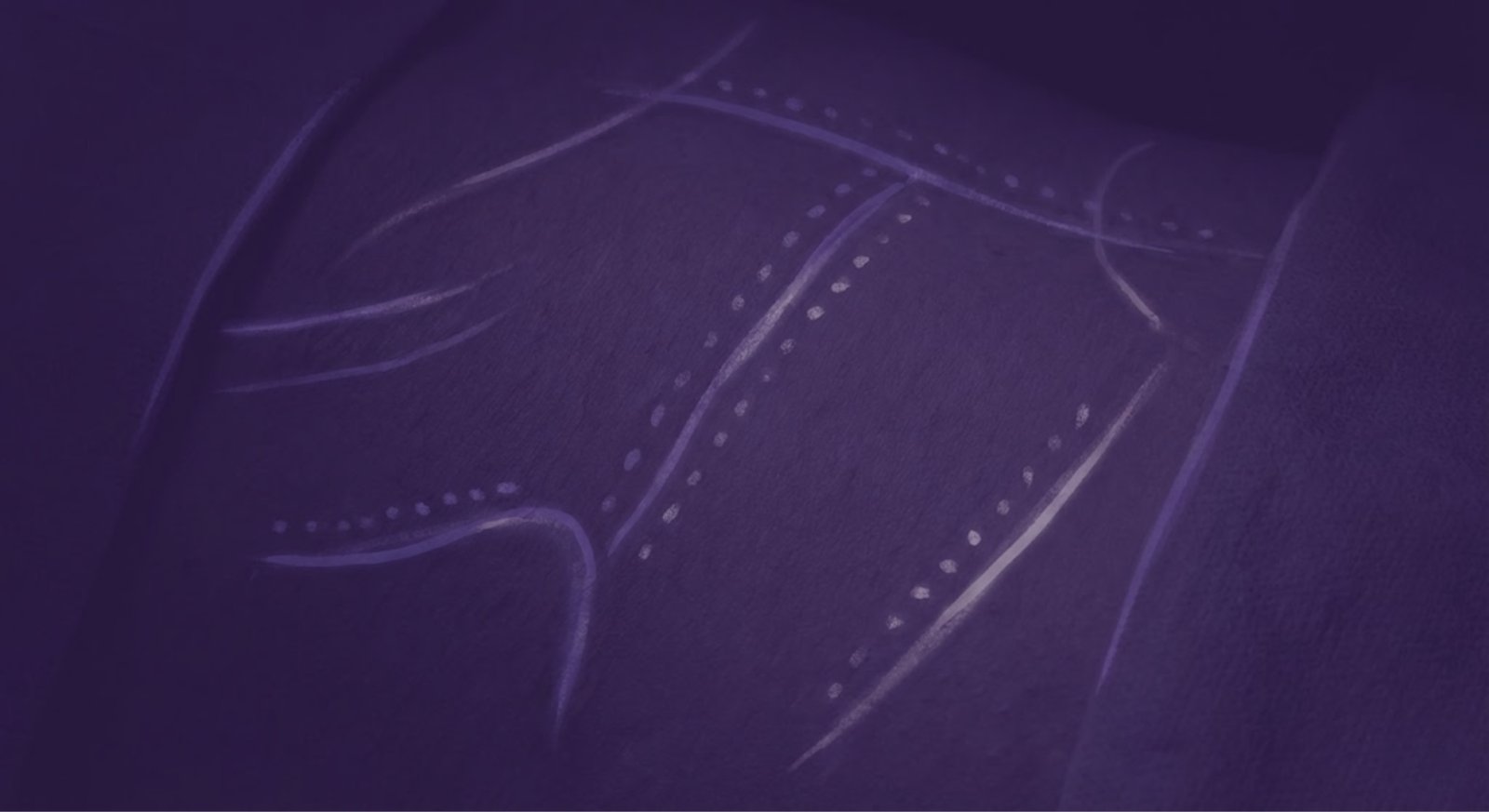
A surgical repositioning of the eyebrows to correct brow droop, open the eye area, and soften forehead heaviness.
Drooping brows, temporal hooding, brow asymmetry, and deep frown line activity when structural descent is part of the cause.
Most people return to office-level activities around the first week, resume hair washing around the second week, and see refined results over the following months as the brow settles and scars mature.
The results often last several years and satisfaction rates are high when candidates are well selected.
These procedures are often confused because both can improve hooding around the eyes.
Brow ptosis occurs when the brow drops below its ideal position as the forehead support and frontalis muscle function change over time. It can create upper eyelid hooding and a heavier, sterner facial expression.
Clinicians often look for practical, visible markers of brow descent, including:
At Avané, the consultation should not be rushed. It should include measurement, photo documentation, and a plan that respects ethnic facial norms and avoids over-lifting.
A good outcome starts with understanding what is driving the heaviness.
Assessment methods you can build into the Avané workup include:
This allows the surgical plan to be chosen for your anatomy, not for a trend.
A minimally invasive option using small incisions within the hairline, suited to moderate descent and faster recovery in appropriate candidates.
Targets the outer brow and “tail” area, often chosen when the main concern is hooding toward the temples with minimal change needed centrally.
For patients who need a more significant lift, a longer hairline incision approach may be recommended. This technique can provide stronger correction and more powerful repositioning, but it typically comes with a longer recovery window due to the extent of dissection and the larger incision length.
Often considered when there is severe brow ptosis, especially in certain male patterns or receding hairlines where hairline-based incisions may not be ideal. The scarring tends to mature well in darker skin when executed carefully and managed properly.
Uses the upper eyelid incision route in select cases to achieve lift without scalp incisions, often when eyelid surgery is already planned.
Blepharoplasty is highly common, but it is still surgery around the eye, so consent must be specific.
Potential risks include:
It depends on the amount of descent and your hairline. The endoscopic methods are common when the descent is moderate, while open approaches are reserved for more significant descent or specific structural needs.
Permanent hair loss is uncommon when incisions are planned thoughtfully and surgical technique protects the hair follicles and blood supply around the incision line.
The approach prioritises conservative lifting so the brow retains its natural prominence and facial architecture, especially in African facial anatomy. The goal is a refreshed, alert expression that still looks like you, not an over-lifted or surprised appearance.
A brow lift is a precision procedure. Small differences in brow height and tension change the entire expression.
Patients choose Avané because:
📍 Avané Gigiri – Call/WhatsApp: +254 702 300 200