Accessibility Accessibility icon
Gigiri +254 702 300 200 Schedule

Ear Surgery (Otoplasty) in Nairobi

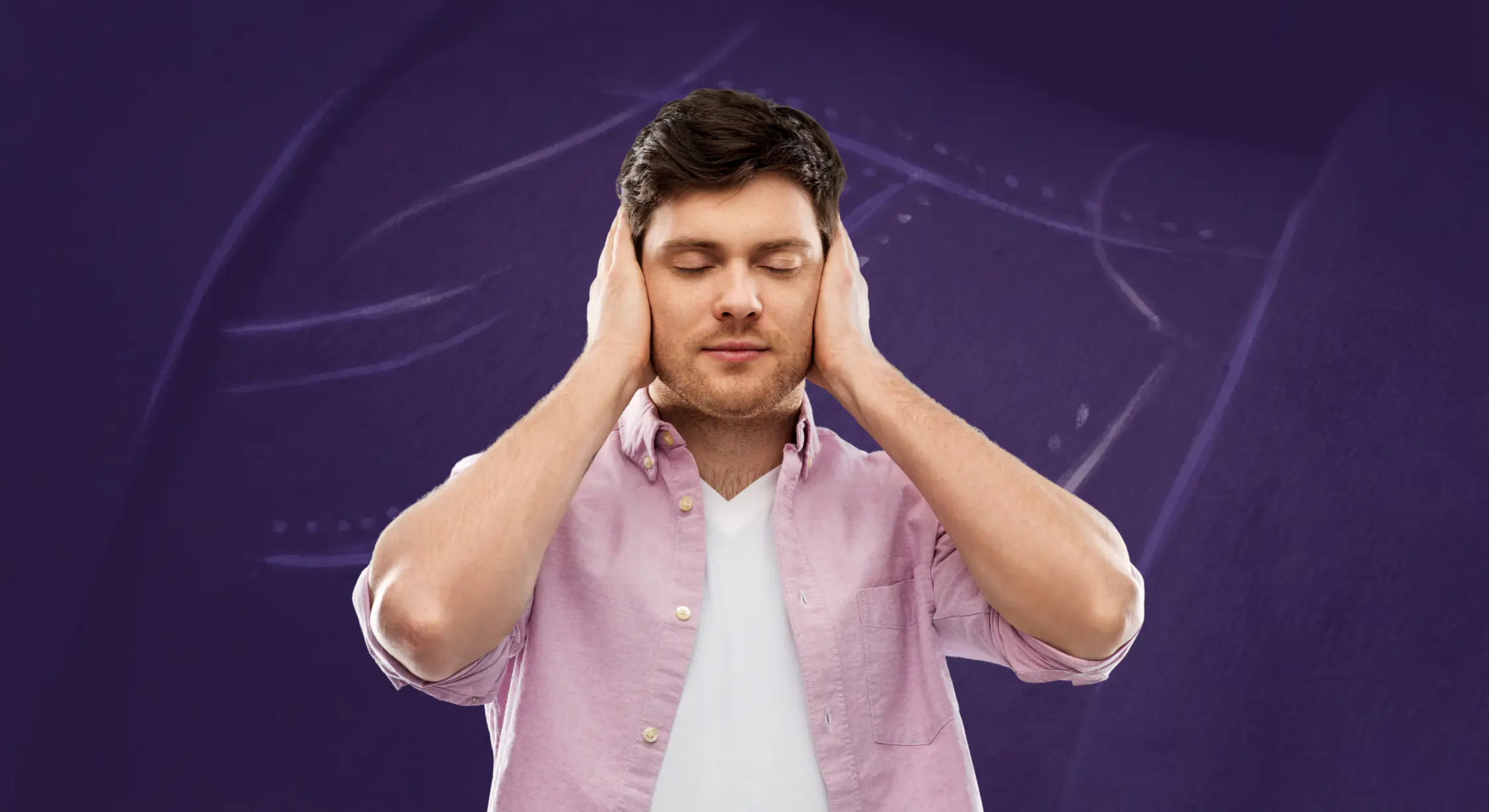
Ear surgery masthead image.

Ear Surgery to Reshape, Reposition, and Restore Natural Ear Balance

Ear surgery, also known as otoplasty, is a procedure that reshapes and repositions the auricle (the outer ear) to improve proportion, symmetry, and how the ear sits relative to the head. It can correct prominent ears, shape irregularities, congenital differences, post-trauma deformities, and selected reconstructive needs.

At Avané Plastic Surgery, otoplasty is planned with a precision-first approach. The goal is not a dramatic change that looks "done." The goal is a result that looks calm, balanced, and natural in real life and in photographs.

Quick Clarity

Otoplasty vs Ear Reconstruction vs Earlobe Repair

Not every ear concern needs the same approach.

  • Otoplasty reshapes or repositions outer ear cartilage for improved balance.
  • Reconstructive ear surgery addresses congenital differences or trauma-related loss or deformity, sometimes using cartilage grafting.
  • Earlobe repair treats torn, stretched, or elongated lobes from trauma, heavy earrings, or gauging.

Your consultation confirms which pathway matches your anatomy and goals.
Textured purple background with subtle variations.

Common Types of Ear Surgery at Avané

1) Ear Pinning for Prominent Ears

A focused form of otoplasty that brings ears closer to the head and restores a natural ear-head angle.

2) Ear Reshaping and Cartilage Refinement

Improves the definition of cartilage folds, corrects contour irregularities, and refines symmetry. Often combined with ear pinning for best balance.

3) Earlobe Repair or Reduction

Repairs torn or stretched earlobes, reduces elongated lobes, and restores a cleaner shape with discreet scarring.

4) Earlobe Rejuvenation

Restores volume and shape in a thinning or sagging lobe, using surgeon-recommended options depending on anatomy.

5) Scar Revision and Post-Trauma Correction

Refines visible scars and improves contour after injury, burns, or prior procedures.

6) Reconstructive Ear Surgery

For congenital differences or trauma-related deformities where structural rebuilding is needed.

How Otoplasty Helps Beyond Appearance

Patients often describe otoplasty as a "quiet relief" procedure. It reduces constant self-monitoring in photos, hairstyles, and social settings.

Benefits may include:

  • Improved facial balance and ear symmetry
  • Reduced self-consciousness and unwanted attention
  • Easier hairstyle choices and confidence in social settings
  • For children, reduced distress and teasing concerns when prominent ears are a focus

This is why otoplasty is often considered both aesthetic and quality-of-life care.

Featured procedures background.

What the Procedure Looks Like

At Avané, otoplasty is commonly performed using an open surgical approach with an incision placed behind the ear in a concealed crease. This gives direct access to cartilage for controlled reshaping.

Step-by-Step Overview

  1. Incision placement A small incision is made behind the ear where it is typically well hidden.
  2. Cartilage access and reshaping The surgeon reshapes cartilage using techniques such as folding, scoring, or selective contour adjustment depending on the deformity and desired ear position.
  3. Position stabilisation The new contour is secured with fine sutures to maintain shape and symmetry.
  4. Skin redraping Skin is carefully repositioned to create a smooth, natural-looking fold.
  5. Closure and dressing The incision is closed and a protective dressing or headband is applied to support healing.

Results are visible immediately, with refinement over several weeks as swelling reduces.

Candidate Guide

Who this is for?

  • Children around school-age and older with prominent or misshapen ears
  • Adults who feel self-conscious in social or professional settings
  • Individuals with asymmetry, congenital ear irregularities, or post-injury ear changes
  • People who want natural balance rather than dramatic alteration

Who should pause or consider alternatives first

  • Active or untreated ear infections
  • Uncontrolled conditions that impair healing
  • Inability to follow post-operative care instructions
  • Expectations that are unrealistic or not anatomically feasible

Your consultation ensures the safest plan.

Textured purple background with subtle variations.

Recovery and Downtime

Recovery is typically straightforward, but protection from pressure is essential.

Immediately after surgery

  • A protective head dressing is placed to support the ears
  • Mild to moderate swelling and bruising are expected
  • Sleeping on your back is recommended to avoid pressure

First 24 hours

  • Dressing is kept in place
  • Rest with head elevation is recommended
  • Avoid touching or compressing the ears

First 2 weeks

  • Most swelling and bruising reduces significantly
  • Many return to routine daily activities
  • Avoid contact sports and pressure on the ears

By week 6

  • Healing is typically stable enough for gradual return to exercise and sports with clearance
  • Follow-up checks confirm progress

Risks and Limitations

All surgery carries risk. With ear surgery, risks can include:

  • Infection, bleeding, delayed healing
  • Visible scarring, usually minimal and hidden behind the ear
  • Asymmetry or under-correction or over-correction
  • Cartilage tenderness or sensitivity during healing
  • Recurrence of prominence if tissues shift before healing stabilises
  • Rare reactions related to anaesthesia

A structured plan and strict aftercare reduce risk.

Featured procedures background.

Learn About Your Surgeon

Meet Dr. Shaban Saidi and learn about his credentials and experience.

Frequently Asked Questions

Is otoplasty painful?

Most patients experience discomfort rather than severe pain. Pain is typically manageable with prescribed medication in the early days.

How long does the procedure take?

Many otoplasty procedures take about 1 to 2 hours depending on complexity and whether one or both ears are treated.

Can children have ear pinning surgery?

Yes, it is commonly considered in children once ear growth is near adult size. Adults can also undergo otoplasty safely.

Will scars be visible?

Scars are usually minimal and positioned behind the ear. They typically soften and fade over time.

When can I wash my hair or ears after surgery?

This depends on your dressing plan. Many patients are cleared to wash after the initial dressing phase, with surgeon-specific instructions.

Is ear surgery covered by insurance?

Coverage depends on whether the indication is reconstructive or cosmetic and on the insurer's policy. A consultation helps document the indication appropriately.

Textured purple background with subtle variations.

Why Avané

Otoplasty results depend on precise cartilage work, symmetry planning, and disciplined aftercare.

Patients choose Avané because:

  • Planning is anatomy-led with a natural result focus
  • Incisions are discreet and scar placement is intentional
  • Aftercare is structured and supported
  • Consultation is clear about expectations, recovery, and risks

Gigiri: +254 702 300 200

Call WhatsApp Email