Facelift Surgery in Nairobi
Restore Your Natural Definition


Restore Your Natural Definition
Aging is a natural process, but it does not always reflect how youthful you feel inside. Over time, gravity, sun exposure, and the loss of facial volume cause the skin to lose elasticity. The result is often jowls, deep creases, and a "tired" appearance that creams and serums can no longer correct.
At Avané Plastic Surgery, we specialize in the Modern Rhytidectomy (Facelift). Gone are the days of the "pulled" or "windblown" look. Our board-certified surgeons reposition the underlying muscle and tissue structure first. We do not just tighten the skin; we restore the foundation of your face. The result is a jawline that looks sculpted, cheeks that sit higher, and a neck that looks elegant.
Concerns about droopy eyelids? A facelift pairs perfectly with Blepharoplasty/Eyelid Surgery.
A common misconception is that a facelift simply cuts away skin. That is incorrect. A true facelift is a structural procedure.
The aging process affects the SMAS (Superficial Musculoaponeurotic System), which is the layer of muscle and connective tissue beneath your skin. As this layer loosens, the skin follows it downward.
Our surgeons address the foundation first, then the skin. This approach restores a natural jawline, higher cheeks, and an elegant neck without the “pulled” look.
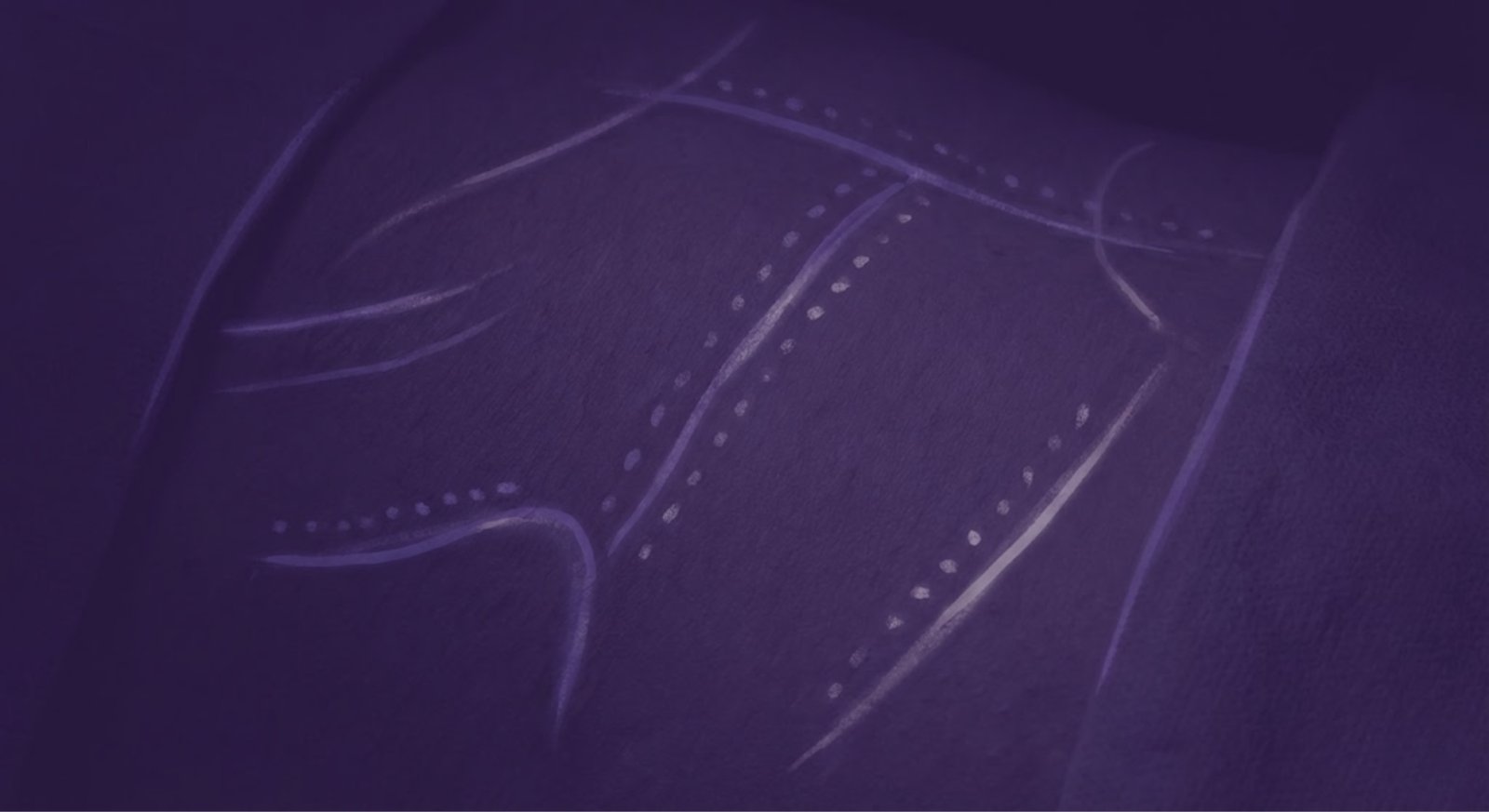
1. The Incision: Our surgeons use “stealth incisions” hidden inside the hairline and the natural curves of the ear. This ensures that once healed, scars are virtually undetectable.
2. The SMAS Adjustment: Instead of pulling the skin tight, we lift and tighten the deep muscle layer (SMAS) back to its youthful position. This provides the structural support for the face.
3. Skin Redraping: The skin is gently redraped over the new contours. Excess skin is trimmed away without excessive tension, guaranteeing a natural look.

Facelift surgery is a significant decision. Take this assessment to see if you are at the right stage for surgical intervention.
Action: Look in the mirror. Place your fingers on your cheekbones and gently lift upward and back.
Assessment: If this movement corrects your jowls and smooths your jawline, a facelift will likely replicate this result permanently.
Observation: Do you have vertical bands (cords) or loose “turkey gobbler” skin under your chin?
Assessment: A facelift is almost always combined with a Neck Lift to address this. Fillers cannot fix loose neck skin.
Situation: You have tried fillers and threads, but they are no longer giving you the lift you want, or you are starting to look “puffy.”
Assessment: This is the primary indicator for surgery. When non-surgical volume no longer combats gravity, surgery is the only effective step.
At Avané, we offer both surgical and non-surgical paths. It is vital to understand the difference between structural repair and temporary camouflage.
| Comparison Point | Surgical Facelift (Rhytidectomy) | Non-Surgical “Liquid” Lift (Fillers/Threads) |
|---|---|---|
| Primary Goal | Structural repair. Lifts muscles and removes excess skin. | Camouflage. Fills hollows to hide wrinkles or creates temporary tension. |
| Longevity | 8 to 12 years. The clock is turned back permanently, though aging continues. | 6 to 18 months. Requires regular maintenance injections. |
| Skin Laxity | High correction. Removes loose, hanging skin. | Low correction. Cannot remove skin; only fills underneath it. |
| Downtime | 2 to 3 weeks. Requires social downtime for swelling and bruising. | 1 to 2 days. Minimal swelling; often called a “lunchtime lift.” |
| Best For | Moderate to severe aging, jowls, and loose neck skin. | Mild aging, volume loss, and fine lines. |
The choice depends on your degree of skin laxity, desired longevity, and whether you need true structural lift rather than temporary volume.
Recovery from a facelift is a journey that requires patience. At Avané Plastic Surgery, we support you through the physical and emotional stages of healing.

There is no specific number. Most of our patients are between 45 and 70. The “sweet spot” is often in the early 50s, when skin still has some elasticity but aging is visible. Health is more important than age.
No. The “windblown” look comes from pulling the skin too tight without fixing the muscle underneath. Our surgeons focus on the SMAS (muscle) layer. When the structure is lifted, the skin lies naturally flat. You will look like a well-rested version of yourself, not a different person.
A facelift essentially resets the clock by about 10 years. You will continue to age from that new starting point. Most patients enjoy their results for 8 to 12 years before considering any touch-ups.
Yes. Most facelifts at Avané are combined with a Neck Lift (to match the jawline) and Blepharoplasty (eyelid surgery) for total facial harmony. Using fat transfer to restore volume to the cheeks is also common during the same surgery.
Most patients report that a facelift is less painful than body surgeries like tummy tucks. The sensation is described more as “tightness” or “pressure” rather than acute pain. We provide comprehensive pain management to ensure you are comfortable.
Learn more about our safety protocols and Meet your expert surgeon.