Facial Fat Grafting in Nairobi
A Regenerative Approach to
Restoring Facial Volume and Softening
“Tired” Shadows


A Regenerative Approach to
Restoring Facial Volume and Softening
“Tired” Shadows
Facial fat grafting, also called fat transfer or lipofilling, restores facial volume by harvesting fat from areas such as the abdomen, thighs, or flanks, then purifying and reinjecting small, precise amounts into areas of hollowing or deficit.
Patients consider facial fat grafting for more than aesthetics. It can be clinically relevant for facial gauntness related to age-associated volume loss, hollowing after previous surgery, congenital thinness, HIV-associated lipoatrophy, and post-trauma contour irregularities that affect facial balance, expression, and confidence.
At Avané Plastic Surgery, facial fat grafting is planned as both a structural and skin-quality procedure. Beyond restoring volume, selected patients may benefit from refined microfat and nanofat techniques that can support smoother texture, including concerns such as crepey skin changes and acne-scar related volume irregularities.
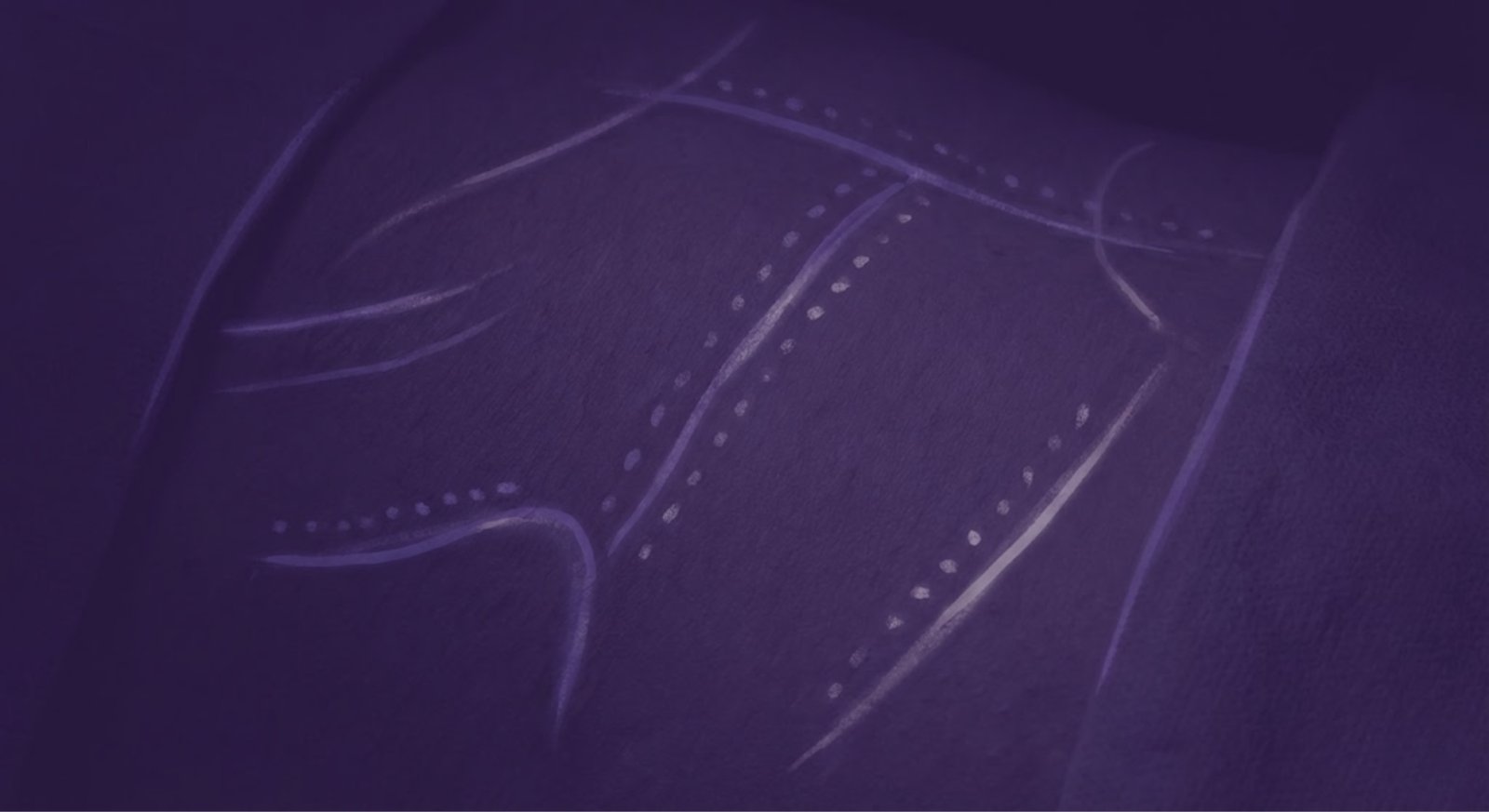
A procedure that transfers your own purified fat into the face to restore volume and contour in a natural-tissue way.
Common targets listed include midface flattening, temples, tear trough hollows, perioral thinning, and contour irregularities related to trauma or scarring.
Some fat resorption is expected after transfer, so results are planned with realistic retention in mind rather than a promise of perfect permanence. For certain patients, the best approach is a staged plan, allowing healing and volume stabilisation before deciding if a second refinement is needed.
Swelling and bruising are normal early, with a “fullness” phase often expected during early healing as overfill settles.
A consultation that maps deficits, confirms donor availability, and sets realistic retention expectations.
Many patients compare fat transfer to fillers, or assume it is “the same as a facelift.” The reality is different.
Facial fat grafting restores volume using living tissue, placed in layers for contour and support. Dermal filler adds volume without harvesting, but it is not the same tissue behavior and is not designed for every deficit.
A facelift repositions tissues that have descended with age. Fat grafting can be an effective complement when both descent and volume loss are present, helping restore softer contours while the lift improves position and definition.
Assessment elements listed include:
Fat is typically harvested from areas such as the abdomen, thighs, or flanks via gentle liposuction, using low-pressure cannulas and tumescent technique as needed.
Fat is processed through a multi-step purification method such as straining, settling, and either centrifugation or filtration to remove excess fluid, oils, and blood. This concentrates healthier fat cells and a richer regenerative cell fraction, improving graft quality and supporting more reliable retention after transfer.
A key Avané detail is “3D-layered injection,” including deep placement for structural support, mid-layer placement for fat pad restoration, and superficial nanofat placement when skin quality improvement is part of the plan.
The technique prioritises protection of nerves and blood vessels through careful anatomical planning, precise cannula control, and safe injection planes. Each placement is guided by structured mapping and proven procedural methods to reduce risk and support predictable healing.
Expect soreness at donor and facial sites, swelling, and early bruising. Head elevation is commonly recommended.
It is normal to look temporarily “overfilled” in the first few days. Cheeks and treated areas can appear noticeably fuller during peak swelling, then gradually settle as inflammation reduces.
Swelling begins to drop significantly for many patients, but refinement continues. Follow-up checks matter because fat is a living graft.
Fat grafting is generally well tolerated, but it is still a surgical procedure and outcomes can vary because each person’s tissue heals differently. Your care plan includes infection prevention measures when appropriate, clear aftercare instructions, and specific warning signs to watch for so any complication is identified and treated early.
Risks to cover clearly on-page:
A consultation that maps your deficit zones and discusses your timeline, preference for autologous tissue, and maintenance expectations is the right starting point.
Temporary fullness can happen early during peak swelling such as the “chipmunk cheeks” phase around days 2 to 4, which settles as swelling resolves.
In selected plans, microfat or nanofat techniques may be used for skin-quality improvements, including acne scar related volume deficits and crepey texture.
Retention depends on graft handling, placement plane, tissue vascularity, and healing biology.
Fat is harvested through very small access points, and the face is treated using micro-cannula entry sites that are intentionally kept tiny and placed discreetly, so visible marks are minimal once healed.
A strong fat grafting outcome is about planning, precision, and aftercare. At Avané we offer:
Avané Gigiri – Call/WhatsApp: +254 702 300 200