Rhinoplasty (Nose Job) in Nairobi


Rhinoplasty is surgery that reshapes the nose by refining bone, cartilage, soft tissue, or a combination of all three. Patients typically seek rhinoplasty in Nairobi for one of two reasons: they want a nose that better fits their facial proportions, or they want to breathe more freely because the internal nasal framework is limiting airflow. Many patients have both goals, and the safest plan is one that improves appearance without compromising function.
At Avané Plastic Surgery, rhinoplasty is approached as a structural operation, not a superficial change. That means planning is based on facial proportions, skin thickness, nasal support, and airway stability, so the result looks natural and remains stable over time.
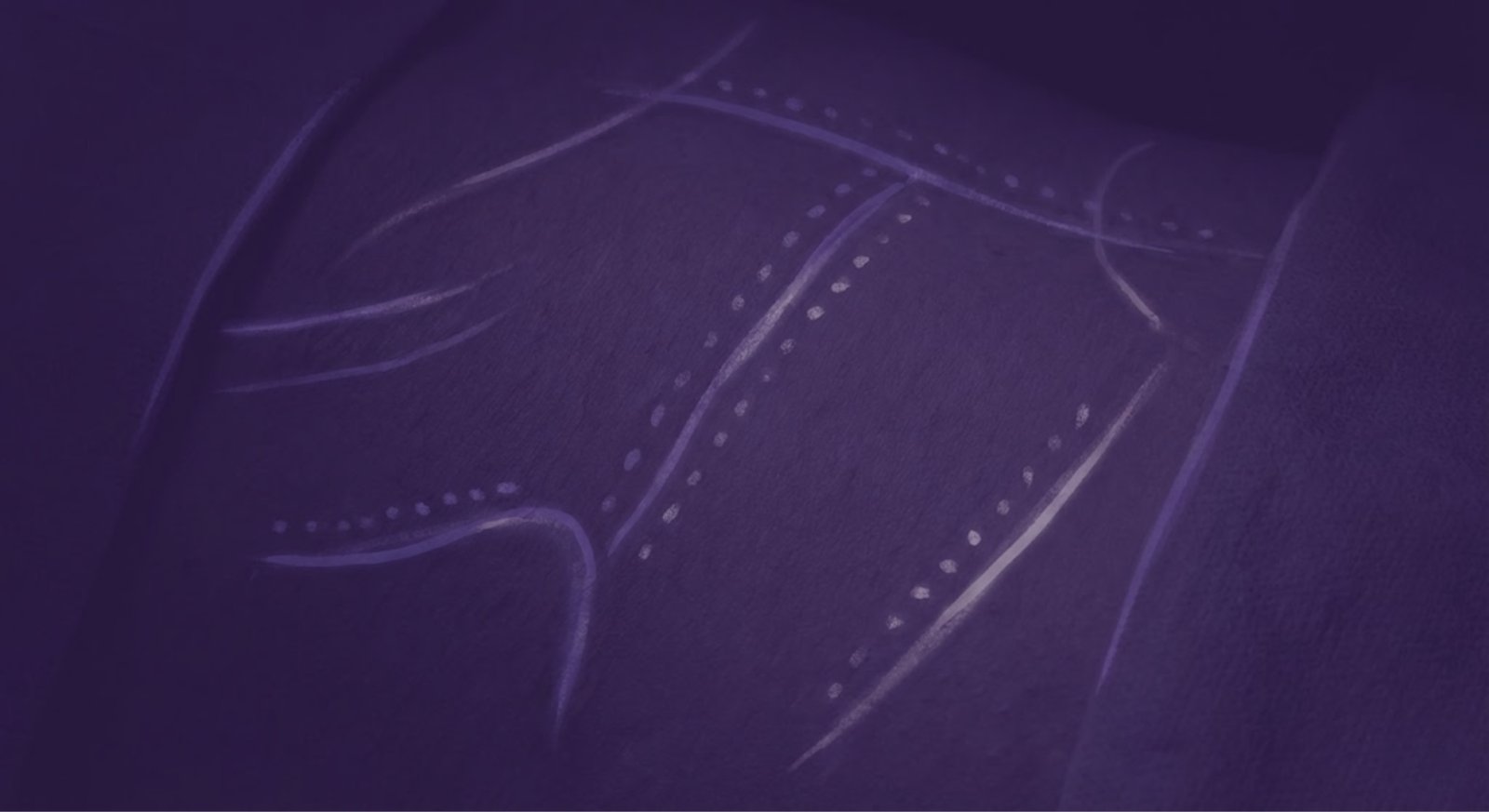
Rhinoplasty is surgery to reshape the external nose and, when needed, correct internal structural problems that affect breathing.
Adults with a fully developed nose who want to refine shape, correct asymmetry, or address nasal obstruction caused by structure.
Most patients are socially presentable after 10 to 14 days, with gradual refinement over months. Final definition can take 3 to 12 months depending on swelling and skin thickness.
Yes, functional rhinoplasty can improve airflow when internal structure contributes to obstruction such as deviated septum or nasal valve collapse.
Open or closed approaches, selected based on complexity and the level of precision required. Structural techniques and cartilage grafting may be used to maintain long-term support.
Patients often use “nose job” to mean one thing, but medically these are different goals.
Your plan should match your anatomy, your goals, and your recovery priorities. In practice, rhinoplasty commonly falls into these categories.
Designed to refine the nose while keeping it believable on your face. Patients commonly request improvement in:
If the underlying issue is structural, medication alone may not solve it. Functional planning may address:
Ethnic rhinoplasty aims to refine shape while respecting identity. The goal is harmony, not erasure. This is particularly important in East African aesthetics where balance must be individualized rather than copied from a template.
A second rhinoplasty requires higher-level planning because scarring, weakened cartilage, or loss of support can complicate healing. Revision surgery focuses on restoring structure first, then refining shape.
Used when trauma, cancer surgery, or congenital differences affect nasal form and function. Reconstruction prioritizes airflow, support, and symmetry.
Technique selection is not a preference, it is a clinical decision based on your anatomy and surgical goals. Avané rhinoplasty uses individualized planning with careful precision to support both aesthetics and nasal function.
Long-term results depend on support. When needed, cartilage grafts reinforce the nasal framework, prevent collapse, and preserve stability as swelling resolves and tissues mature.
For selected patients, preservation planning maintains more natural nasal structures while refining shape for subtle, polished outcomes.
Rhinoplasty is performed under anesthesia using an open or closed approach depending on complexity. The surgical steps vary by individual plan, but most rhinoplasty procedures include these phases.
Many patients see immediate shape changes, but refinement continues as swelling settles and skin adapts to the new structure.
A consultation confirms whether surgery is safe and appropriate.
You may be a good candidate for rhinoplasty in Nairobi if you:
Rhinoplasty may not be appropriate right now if you:
Rhinoplasty recovery is gradual. Your early healing is about swelling control and protecting the new framework, while later healing is about definition and stability.
Every surgical procedure has risk, even when performed carefully. Rhinoplasty risks may include:
A strong consultation, detailed planning, and disciplined aftercare reduce risk and support predictable healing.
A well-planned rhinoplasty aims for harmony with your facial proportions. The goal is not to create a copy of someone else’s nose. It is to refine yours in a way that fits your bone structure, skin thickness, and features.
Most patients describe discomfort and pressure rather than sharp pain. Medication typically controls early discomfort, and symptoms improve as swelling decreases.
Surgical duration depends on complexity and whether functional corrections or grafting are required. Your consultation provides a clearer estimate based on your plan.
Many patients return to work around week two, especially for desk-based work. If your work is physical or requires heavy lifting, you may need additional time.
If your breathing difficulty is structural, functional rhinoplasty planning may improve airflow. A clinical assessment is required to identify whether obstruction is septal, valvular, post-traumatic, or related to other causes.
You will see changes early, but refinement continues for months. Most swelling settles by weeks four to six, while final shape may take 3 to 12 months.
Choosing rhinoplasty is not only about aesthetics. It is about safety, planning, and the quality of follow-up.
Patients choose Avané because: