Male Breast Reduction in Nairobi

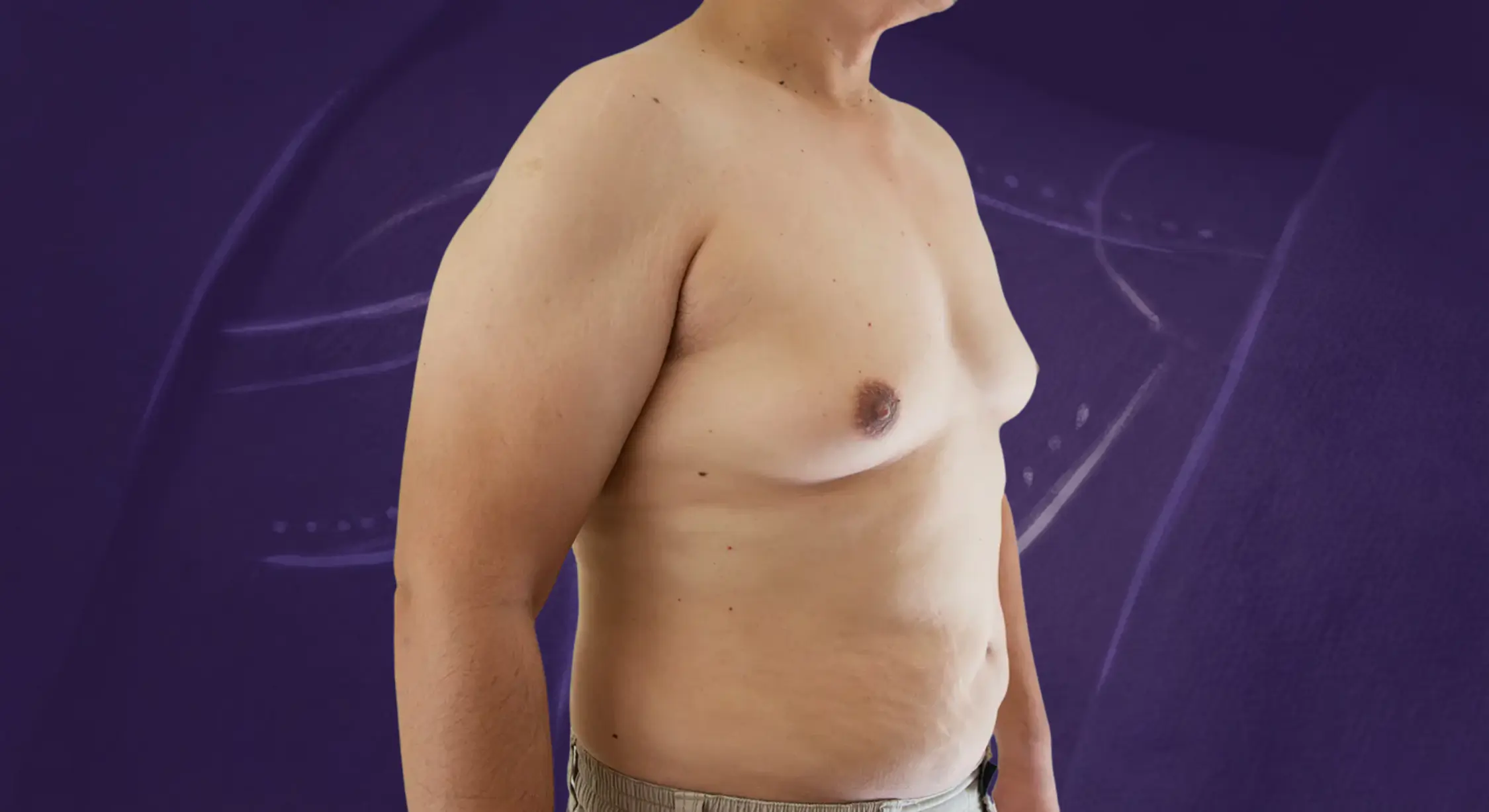
For many men, gynecomastia is not just “a little chest fat.” It is a persistent chest shape that does not match the rest of the body, even with diet and training. Some men avoid fitted shirts. Others refuse swimming or gym changing rooms. Many learn how to pose in photos so the chest is not visible. If that sounds familiar, you are not alone.
Male breast reduction, also known as gynecomastia surgery, is designed to remove excess breast tissue and fat and to reshape the chest into a flatter, firmer contour. At Avané Plastic Surgery Nairobi, the focus is a natural result that looks athletic in motion and realistic in real life, not overly “operated” or artificially tight.
Male breast reduction, also known as gynecomastia surgery, removes excess breast tissue and fat and reshapes the chest into a flatter, firmer contour.
The focus is a natural result that looks athletic in motion and realistic in real life, not overly “operated” or artificially tight.
For many men, gynecomastia is a persistent chest shape that does not match the rest of the body, even with diet and training.
Gynecomastia is an enlargement of male breast tissue. It can involve gland tissue, fat, or both.
Exercise helps if the issue is mostly fat. If gland tissue is present, it often does not respond to weight loss alone.
It removes the excess tissue and reshapes the chest for a flatter, more masculine appearance.
Gynecomastia can happen for different reasons. A consultation is important because treatment depends on the cause.
Common causes include:
Some cases are primarily fat (pseudogynecomastia). Some are mainly gland tissue. Many are a combination. The surgical plan is built around what is actually present.
This is one of the most important questions men ask in consultation.
A proper exam confirms what you are dealing with. Treatment is very different depending on whether it is fat, gland, or both.
The PDF includes Avané's general plastic surgery aftercare instructions together with the Male Breast Reduction recovery guide, practical healing timelines, and red flags that should prompt you to contact the clinic.
Cost depends on whether you need liposuction only, gland excision, combined surgery, or skin removal, plus theatre and anaesthesia requirements. A consultation gives an accurate plan and quote.
When gland tissue is removed and lifestyle factors are managed, recurrence is uncommon, but it depends on causes such as hormones, medication, or steroid use. We discuss risk factors in consultation.
The goal is a flatter, masculine contour. Final shape depends on your starting anatomy, skin elasticity, and whether gland, fat, or skin are involved.
You can walk early, but chest training and heavy lifting usually return gradually over several weeks with surgeon clearance.
Most scars are small and fade with time. Areola-edge incisions are designed to blend into the natural pigment border.
No. Many lean men have gland-predominant gynecomastia that does not respond to training or weight loss.