Keloid Treatment
in Nairobi
More Than Just a Scar

More Than Just a Scar
The human body is resilient, but sometimes its defense system works too hard. When skin is injured, whether by a cut, a burn, acne, or a piercing, the body produces collagen to repair the wound. In most cases, this process stops once the wound is closed. However, for some individuals, the body receives the wrong signal and continues to produce collagen aggressively.
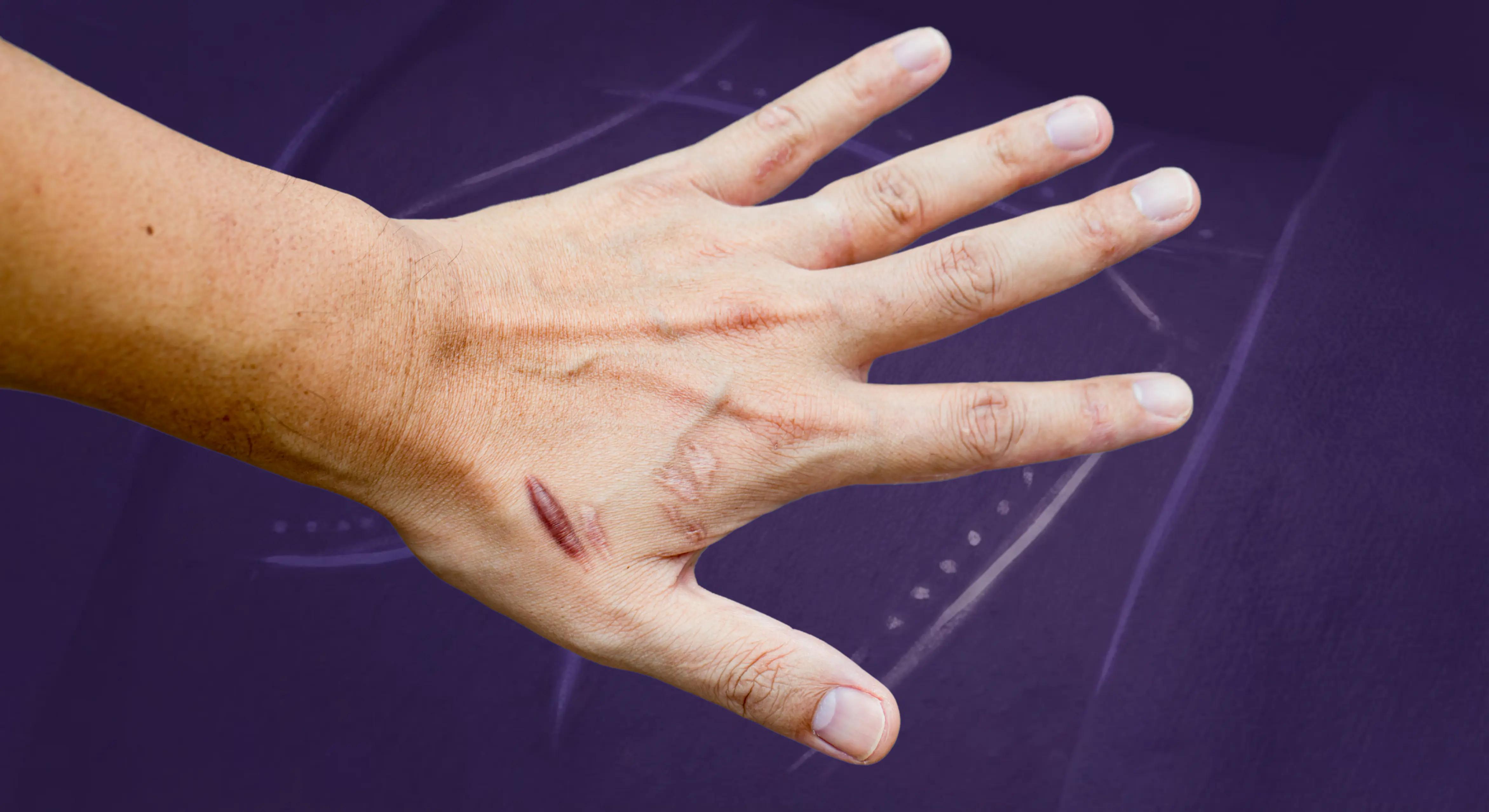
The result is a keloid: a thick, raised, and often itchy scar that grows larger than the original injury. These scars can be unsightly, painful, and emotionally distressing. At Avané Plastic Surgery, we understand that keloids are not just cosmetic annoyances; they are complex medical conditions that require a strategic, multi-modality approach to treat effectively and reduce the risk of recurrence.
Dealing with acne that might lead to scarring? Visit our Acne Treatment page.
A keloid is a benign (non-cancerous) overgrowth of scar tissue. Unlike a normal scar or a hypertrophic scar, a keloid does not stop growing at the boundary of the injury. It extends into surrounding healthy skin.
Keloids occur when fibroblasts (the cells that produce collagen) overreact to trauma and continue building collagen after healing should have stopped.
Keloid care is a long-term process. Single treatments rarely work, and recurrence is the main challenge.
Keloids do not affect everyone equally. There is a strong genetic and skin-type component.
Proper diagnosis matters because other conditions can resemble keloids. At Avané Plastic Surgery, Dr. Pancholi and team assess:
Keloid care is a long-term process. Single treatments rarely work, and recurrence is the main challenge. We use combination therapy to reduce size, calm symptoms, and lower regrowth risk.
Best for: Small to medium keloids
How it works: A corticosteroid (such as triamcinolone) is injected directly into the scar to reduce inflammation and decrease collagen production.
Protocol: Typically a series of injections every 4 to 6 weeks, adjusted to response.
Best for: Smaller keloids, including many earlobe keloids
How it works: Liquid nitrogen freezes scar tissue, reducing bulk and stiffness over time.
Important note: Temporary lightening of skin (hypopigmentation) can occur, especially in melanin-rich skin.
Best for: Large, bulky keloids that restrict movement or fail conservative therapy
The reality: Surgery alone has a high recurrence risk because cutting is a new injury trigger.
How we reduce recurrence: Excision is paired with adjuvant therapy (such as steroid injections and other recurrence-prevention strategies), timed carefully after removal.
Best for: Redness reduction and itch control
How it works: Targets vessels within the scar to reduce redness and calm overactive tissue signaling. Often used as part of a multi-step plan rather than a standalone solution.
Best for: Post-treatment prevention and selected ear keloids or pedunculated (stalk-like) lesions
Technique: Compression garments or pressure devices can help reduce regrowth risk. Ligature (thread around the base) may be considered in selected cases under clinician guidance.
If you are keloid-prone, prevention matters more than “perfect treatment.”
The PDF includes Avané's general aftercare instructions together with the Keloid Treatment recovery guide, practical healing timelines, and red flags that should prompt you to contact the clinic.
No. They are benign and not cancerous. However, they can cause significant discomfort and emotional distress.
We can flatten it and significantly improve symptoms and appearance, but we cannot guarantee zero recurrence. Keloids are stubborn. Our combination protocols focus on management, reduction, and recurrence prevention.
Itching is linked to inflammatory signaling and nerve irritation within active scar tissue. Steroid injections and certain laser protocols can reduce itch significantly.
It depends on size, location, age of the scar, and prior recurrence. Many patients require a series rather than a single treatment.
Meet our expert team of Dermatologists and Surgeons.